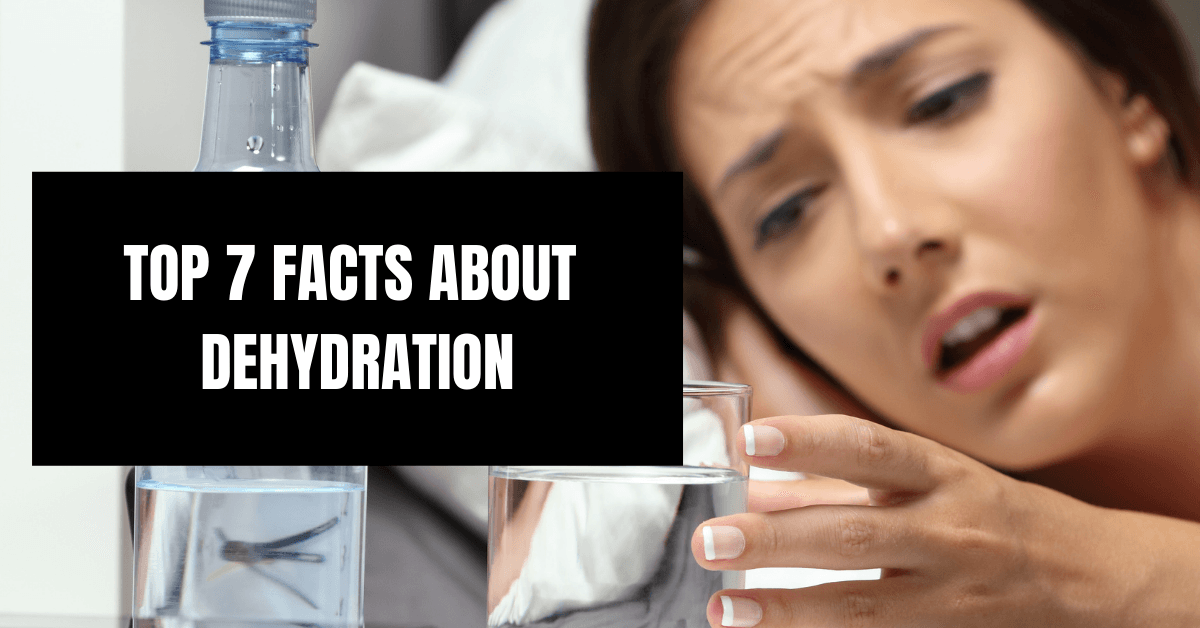
Top 7 Facts About Dehydration
Dehydration is more common than you may think. This preventable and serious medical condition affects millions of people all around the world every day. Whether you run a restaurant, manage an office, or operate a hotel, it’s important to know the facts about dehydration to ensure that your patrons, staff, and clients stay adequately hydrated.

75% of Americans are dehydrated.
Most Americans are considered chronically dehydrated. When this happens, we get used to the lack of water, so it can be difficult to tell when our bodies need to drink more. Adding more water-rich foods to your diet can also help with hydration, such as fruits and vegetables.

The average American drinks just 2.5 cups of water daily.
On average, adults in the U.S. drink well below the Institute of Medicine’s recommended intake of 10 cups of water per day. Encouraging water consumption by offering water with every meal or providing water stations throughout your establishment can help increase daily intake.

Even mild dehydration can inhibit your ability to think clearly.
Scientists say that when people drive dehydrated, they make the same number of mistakes that drivers make when under the influence of alcohol. This underscores the importance of staying hydrated throughout the day, especially during activities that require focus and attention.

Feeling thirsty? You’re already dehydrated.
When we are dehydrated, the body's thirst response gets triggered. So, whenever you get thirsty, dehydration is already occurring. Encouraging regular water breaks or setting reminders to drink water can help prevent dehydration before it becomes severe.

Dehydration makes you sleepy.
When we’re dehydrated, our energy levels diminish. Staying adequately hydrated will keep muscles energized and ward off fatigue, moodiness, and sleepiness throughout the day. Providing water as a beverage option alongside caffeinated drinks can also help maintain energy levels without the crash.

You can’t survive more than a few days without water.
Water is an essential nutrient for life. Science shows us that without consuming water, human beings can only survive for a matter of days. This underscores the critical importance of staying hydrated, especially in extreme conditions or during physical exertion.

It can take just 45 minutes to rehydrate.
A study by The Journal of Strength and Conditioning Research found that after mildly dehydrated men consumed just 2 bottles of water, it took under one hour for their bodies to function in a perfectly healthy and hydrated state. This highlights how quickly the body can recover from dehydration with proper hydration practices.

Filtered Water Dispensers Help Prevent Dehydration
Installing a commercial filtered water dispenser in your restaurant, office, hotel, or college dining hall is an effective way to help everyone drink more water and prevent dehydration. With both still and sparkling water taps, and a high-tech water filtration process, they can provide staff, patrons, and students with a wide variety of healthy and delicious hydration options. Find the perfect commercial water filtration system to fit your needs.

  • How do I know if I'm dehydrated?

    Signs of dehydration include feeling thirsty, dry mouth, dark urine, fatigue, dizziness, and headaches. If you experience any of these symptoms, it's important to drink water immediately to rehydrate.

  • How much water should I drink daily?

    The Institute of Medicine recommends that adults consume about 10 cups (2.5 liters) of water per day for men and about 8 cups (2 liters) for women. However, individual needs may vary based on factors like age, weight, activity level, and climate.

  • Can I get enough water from other beverages besides water?

    While water is the best choice for staying hydrated, other beverages like tea, coffee, milk, and fruit juices can contribute to your daily fluid intake. Just be mindful of added sugars and caffeine content, which may have diuretic effects.

  • How can I encourage my employees or family members to drink more water?

    Providing easy access to clean and fresh water is key. Consider installing filtered water dispensers in common areas or offering reusable water bottles as incentives. You can also set reminders or schedule regular water breaks throughout the day.

  • Are there any health risks associated with dehydration?

    Yes, dehydration can lead to serious health complications, including kidney stones, urinary tract infections, heat-related illnesses, and even cognitive impairment. It's important to prioritize hydration to maintain overall health and well-being.

  • How do filtered water dispensers work?

    Filtered water dispensers use advanced filtration technology to remove impurities, contaminants, and odors from tap water, providing clean and great-tasting water on demand. They typically offer both still and sparkling water options to cater to different preferences.

  • Can filtered water dispensers save money compared to bottled water?

    Yes, investing in a filtered water dispenser can lead to significant cost savings over time compared to purchasing bottled water. It also reduces plastic waste, making it an environmentally friendly choice.

  • Where can I find more information about installing a filtered water dispenser?

    For more information about installing a filtered water dispenser in your establishment or home, you can download our case study or schedule a meeting with our team. We'll be happy to discuss your hydration needs and find the perfect solution for you.

Recent Posts
March 30, 2026
Should You Be Charging Guests for Water in 2026? In today’s evolving dining landscape, even the smallest details of the guest experience are under scrutiny—and increasingly, that includes water. What was once a simple, complimentary offering has transformed into a strategic decision point for restaurants. From still to sparkling, filtered to mineral-enhanced, water service has become an extension of a restaurant’s brand, values, and profitability. So in 2026, the question isn’t just can you charge for sparkling water—it’s should you? The Rise of Premium Water Service Across the industry, premium water programs have become more common. Guests are more accustomed than ever to curated beverage experiences, and that expectation now extends beyond wine and cocktails. At the same time, restaurants are facing continued pressure from: Rising supply and logistics costs Sustainability demands Tighter margins post-inflation cycles Bottled sparkling water, in particular, has become significantly more expensive due to transportation, packaging regulations, and environmental considerations. As a result, many operators are rethinking how water fits into both their guest experience and their bottom line. The Case for Charging 1. Cost Recovery Is No Longer Optional Margins remain tight in 2026. Charging for sparkling water helps offset real and rising costs—especially when compared to traditional bottled programs. 2. Guests Expect Customization Today’s diners are used to choice. Offering premium water—sparkling, chilled, filtered, or infused—aligns with broader personalization trends in hospitality. 3. Brand Positioning For upscale or experience-driven restaurants, premium water reinforces a commitment to quality. Just as guests pay more for craft cocktails or locally sourced ingredients, many see upgraded water as part of the experience. The Case Against Charging 1. Water Is Still Seen as a Basic Right Despite evolving expectations, many guests still believe water should be free—especially in the U.S. Charging can feel excessive if not handled carefully. 2. Perception of “Nickel-and-Diming” In an era where transparency matters more than ever, unexpected charges—even small ones—can negatively impact guest satisfaction and reviews. 3. Hospitality Matters Restaurants aren’t just selling food—they’re selling experience. If guests feel pressured or upsold on something fundamental, it can erode trust. The 2026 Approach: Balance and Transparency The most successful restaurants today are not choosing one side—they’re blending both. A modern best practice includes: Complimentary still or filtered tap water (clearly offered) Optional premium sparkling water as an upgrade Transparent pricing or inclusive service models Some operators are even adopting a flat per-table water fee (typically $1–$3 per guest), which includes unlimited still and sparkling water. This model simplifies service while remaining cost-effective compared to bottled alternatives. The key is clarity—guests are far more accepting of charges when they understand the value. How Natura Helps Restaurants Stay Competitive In 2026, operational efficiency and sustainability are just as important as guest experience—and this is where Natura systems stand out. By producing triple-filtered still and sparkling water on-site , restaurants can: Eliminate the cost and logistics of bottled water Reduce storage needs and waste Maintain consistent quality with every pour Improve sustainability metrics (a growing factor in guest decision-making) Instead of relying on expensive pre-packaged options, Natura allows restaurants to transform tap water into premium sparkling water instantly—reducing overhead while enhancing service. For operators who choose to charge, this creates a major advantage: lower costs = more competitive pricing = better guest acceptance. Final Thoughts Charging for sparkling water in 2026 isn’t about right or wrong—it’s about execution. When done thoughtfully, it can: Enhance the dining experience Support profitability Align with sustainability goals But when handled poorly, it risks damaging guest trust. The future of water service isn’t just premium—it’s intentional, transparent, and experience-driven . To learn more about our water systems and how we can help improve revenue for your business, please schedule a meeting today!
Why Triple-Filtered Water Tastes Better Than Reverse Osmosis | Natura Water
March 6, 2026
Learn why Natura Water’s triple-filtered water tastes better than reverse osmosis. Our ANSI 42, 53, and 61 certified filtration removes contaminants while preserving clean, refreshing taste.
January 5, 2026
Discover how Natura Water helps organizations achieve 2026 sustainability goals by replacing bottled water with cost-effective, on-site water systems.
September 19, 2025
Natura Water Limited Lease Event
August 19, 2025
What Sets Natura Water Apart from the Competition
Show More

Share Link