Does NYC Have The Best Water On Earth?
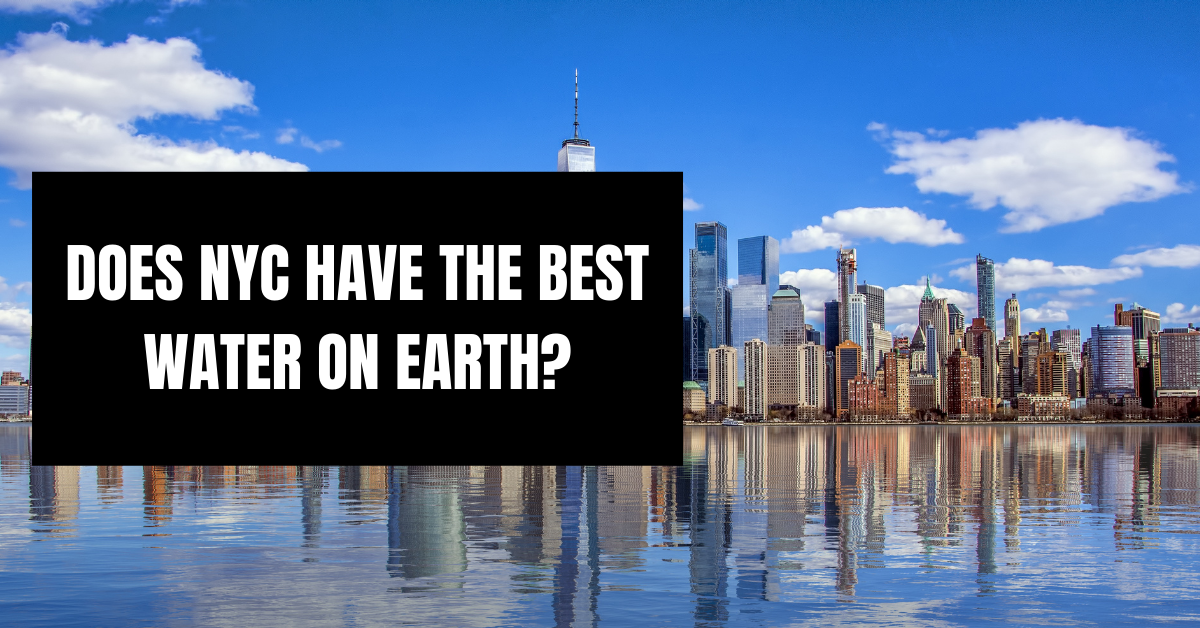
New York City’s municipal water supply is considered a crown jewel of major metropolitan water systems—not just in America, but throughout the world. Each day, it supplies approximately 1 billion gallons of fresh water to nearly 10 million residents. Its quality is in such demand, that the NYC water system also supplies water to nearly half the state of New York.
New York is also a city rich in history, with much of its residential building stock dating to the early 20th century. A significant portion of New York City buildings were constructed prior to lead plumbing standards being enacted in 1986. You can see where this is going. Even a mighty city like New York, with its world-renowned water system, is not immune to the problem of lead—and other contaminants—in its drinking water.
And here’s why. While the quality of the water coming out of the treatment plant is important, it’s the quality coming out of the tap that really matters. Each year, an average of 6% of water samples in the city come back positive for lead in excess of the 15 parts per billion allowed by the EPA. Some are many thousands of times over the limit. The blame almost exclusively belongs to the pipes, fittings, and fixtures in these older buildings. It is because of this that the business owners and residents of New York City should not consider themselves immune from the need for commercial filtered water systems.
For example, a Natura water system uses a patented three-stage filtration process to eliminate impurities—including lead—while retaining healthy, thirst-quenching minerals. Protection includes two high-grade, long-lasting carbon filters, a 0.5 micron high-flow carbon filter, and the world’s only total irradiation filtration system that reduces bacteria and virus count to almost zero.
Even the best water in the world is susceptible to lead and other contamination
present in the pipes of older buildings. A filtered water system reduces the threat and restores of peace of mind.
Need more information? Click here
to download our case study or click here
to schedule a meeting!
Recent Posts
Discover how Natura Water's advanced 3-stage filtration system helps reduce lead, PFAS, chlorine, bacteria, and more for cleaner, better-tasting water.
Learn how PFAS, or “forever chemicals,” can end up in sparkling water and how ANSI-53 filtration helps remove them before carbonation.
Should You Be Charging Guests for Water in 2026? In today’s evolving dining landscape, even the smallest details of the guest experience are under scrutiny—and increasingly, that includes water. What was once a simple, complimentary offering has transformed into a strategic decision point for restaurants. From still to sparkling, filtered to mineral-enhanced, water service has become an extension of a restaurant’s brand, values, and profitability. So in 2026, the question isn’t just can you charge for sparkling water—it’s should you? The Rise of Premium Water Service Across the industry, premium water programs have become more common. Guests are more accustomed than ever to curated beverage experiences, and that expectation now extends beyond wine and cocktails. At the same time, restaurants are facing continued pressure from: Rising supply and logistics costs Sustainability demands Tighter margins post-inflation cycles Bottled sparkling water, in particular, has become significantly more expensive due to transportation, packaging regulations, and environmental considerations. As a result, many operators are rethinking how water fits into both their guest experience and their bottom line. The Case for Charging 1. Cost Recovery Is No Longer Optional Margins remain tight in 2026. Charging for sparkling water helps offset real and rising costs—especially when compared to traditional bottled programs. 2. Guests Expect Customization Today’s diners are used to choice. Offering premium water—sparkling, chilled, filtered, or infused—aligns with broader personalization trends in hospitality. 3. Brand Positioning For upscale or experience-driven restaurants, premium water reinforces a commitment to quality. Just as guests pay more for craft cocktails or locally sourced ingredients, many see upgraded water as part of the experience. The Case Against Charging 1. Water Is Still Seen as a Basic Right Despite evolving expectations, many guests still believe water should be free—especially in the U.S. Charging can feel excessive if not handled carefully. 2. Perception of “Nickel-and-Diming” In an era where transparency matters more than ever, unexpected charges—even small ones—can negatively impact guest satisfaction and reviews. 3. Hospitality Matters Restaurants aren’t just selling food—they’re selling experience. If guests feel pressured or upsold on something fundamental, it can erode trust. The 2026 Approach: Balance and Transparency The most successful restaurants today are not choosing one side—they’re blending both. A modern best practice includes: Complimentary still or filtered tap water (clearly offered) Optional premium sparkling water as an upgrade Transparent pricing or inclusive service models Some operators are even adopting a flat per-table water fee (typically $1–$3 per guest), which includes unlimited still and sparkling water. This model simplifies service while remaining cost-effective compared to bottled alternatives. The key is clarity—guests are far more accepting of charges when they understand the value. How Natura Helps Restaurants Stay Competitive In 2026, operational efficiency and sustainability are just as important as guest experience—and this is where Natura systems stand out. By producing triple-filtered still and sparkling water on-site , restaurants can: Eliminate the cost and logistics of bottled water Reduce storage needs and waste Maintain consistent quality with every pour Improve sustainability metrics (a growing factor in guest decision-making) Instead of relying on expensive pre-packaged options, Natura allows restaurants to transform tap water into premium sparkling water instantly—reducing overhead while enhancing service. For operators who choose to charge, this creates a major advantage: lower costs = more competitive pricing = better guest acceptance. Final Thoughts Charging for sparkling water in 2026 isn’t about right or wrong—it’s about execution. When done thoughtfully, it can: Enhance the dining experience Support profitability Align with sustainability goals But when handled poorly, it risks damaging guest trust. The future of water service isn’t just premium—it’s intentional, transparent, and experience-driven . To learn more about our water systems and how we can help improve revenue for your business, please schedule a meeting today!
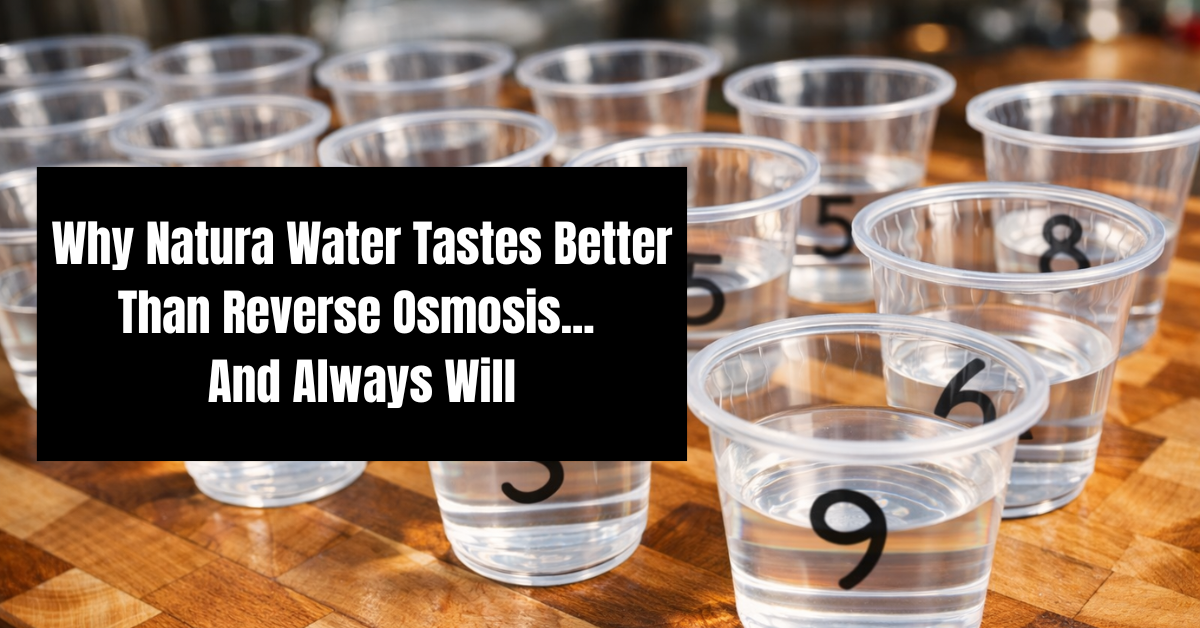
Learn why Natura Water’s triple-filtered water tastes better than reverse osmosis. Our ANSI 42, 53, and 61 certified filtration removes contaminants while preserving clean, refreshing taste.

Discover how Natura Water helps organizations achieve 2026 sustainability goals by replacing bottled water with cost-effective, on-site water systems.