E. Coli In Drinking Water: 5 Facts You Need to Know
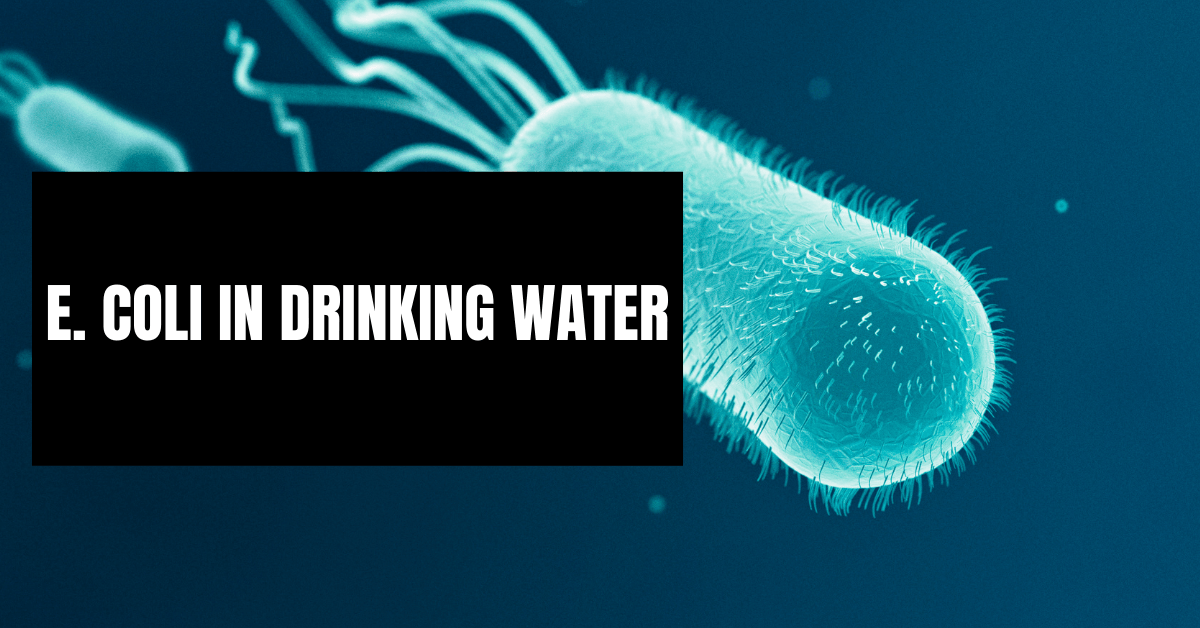
E. coli infection causes 100,000 illnesses, 3,000 hospitalizations, and 90 deaths every year in the United States -- and it can be found in your business's drinking water.
What is E.coli?
E. coli (Escherichia coli) is a type of coliform bacteria found in the lower intestines of warm-bodied animals and humans. While some E. coli strains are harmless, others can cause severe illness. Just as E. coli can contaminate food, it can also appear in the public drinking water supply.
5 Fast Facts About E. coli in Drinking Water
1. Natural Disasters Can Cause E. coli Contamination
Natural disasters such as floods and hurricanes can cause public drinking water supplies to become contaminated. Just one water main break can cause E. coli to leach into drinking water.
2. Precipitation Can Wash E. coli into Drinking Water
Rain, snow melts, and other precipitation can wash E. coli into creeks, rivers, lakes, or groundwater and contaminate certain drinking water supplies.
3. E. coli Infection is Especially Harmful to Young Children & The Elderly
While anyone can become infected with E.coli, children under age the age of five, the elderly, pregnant women, and those with weakened immune systems are at an increased risk of severe illness and complications.
4. E. coli Symptoms Can Appear in as Little as One Day
While symptoms typically take three to eight days to show up, a person who ingests E. coli-contaminated water may feel ill sooner than that. Symptoms of infection can show up in just one to two days. E.coli produces a powerful toxin that can cause severe abdominal cramps, vomiting, and other gastrointestinal issues.
5. You Can Remove E. coli from Drinking Water
A quality commercial water filtration system that uses activated carbon and UV technologies can effectively remove E.coli from the drinking water you serve customers, staff, and clients.
The Best Water Filters for E. coli Removal
If you’re worried about customers or employees getting sick from E. coli, installing a high-grade commercial water filtration system in your restaurant, hotel, or office can give you peace of mind. Water filtration machines that utilize both activated carbon and UV technologies work to eliminate E. coli and coliform bacteria that are especially harmful to pregnant women and children. It’s the best way to ensure that your business and its patrons are protected from E. coli and other waterborne infections.
Need more information? Click here
to download our case study or click here
to schedule a meeting!
Recent Posts
Discover how Natura Water's advanced 3-stage filtration system helps reduce lead, PFAS, chlorine, bacteria, and more for cleaner, better-tasting water.
Learn how PFAS, or “forever chemicals,” can end up in sparkling water and how ANSI-53 filtration helps remove them before carbonation.
Should You Be Charging Guests for Water in 2026? In today’s evolving dining landscape, even the smallest details of the guest experience are under scrutiny—and increasingly, that includes water. What was once a simple, complimentary offering has transformed into a strategic decision point for restaurants. From still to sparkling, filtered to mineral-enhanced, water service has become an extension of a restaurant’s brand, values, and profitability. So in 2026, the question isn’t just can you charge for sparkling water—it’s should you? The Rise of Premium Water Service Across the industry, premium water programs have become more common. Guests are more accustomed than ever to curated beverage experiences, and that expectation now extends beyond wine and cocktails. At the same time, restaurants are facing continued pressure from: Rising supply and logistics costs Sustainability demands Tighter margins post-inflation cycles Bottled sparkling water, in particular, has become significantly more expensive due to transportation, packaging regulations, and environmental considerations. As a result, many operators are rethinking how water fits into both their guest experience and their bottom line. The Case for Charging 1. Cost Recovery Is No Longer Optional Margins remain tight in 2026. Charging for sparkling water helps offset real and rising costs—especially when compared to traditional bottled programs. 2. Guests Expect Customization Today’s diners are used to choice. Offering premium water—sparkling, chilled, filtered, or infused—aligns with broader personalization trends in hospitality. 3. Brand Positioning For upscale or experience-driven restaurants, premium water reinforces a commitment to quality. Just as guests pay more for craft cocktails or locally sourced ingredients, many see upgraded water as part of the experience. The Case Against Charging 1. Water Is Still Seen as a Basic Right Despite evolving expectations, many guests still believe water should be free—especially in the U.S. Charging can feel excessive if not handled carefully. 2. Perception of “Nickel-and-Diming” In an era where transparency matters more than ever, unexpected charges—even small ones—can negatively impact guest satisfaction and reviews. 3. Hospitality Matters Restaurants aren’t just selling food—they’re selling experience. If guests feel pressured or upsold on something fundamental, it can erode trust. The 2026 Approach: Balance and Transparency The most successful restaurants today are not choosing one side—they’re blending both. A modern best practice includes: Complimentary still or filtered tap water (clearly offered) Optional premium sparkling water as an upgrade Transparent pricing or inclusive service models Some operators are even adopting a flat per-table water fee (typically $1–$3 per guest), which includes unlimited still and sparkling water. This model simplifies service while remaining cost-effective compared to bottled alternatives. The key is clarity—guests are far more accepting of charges when they understand the value. How Natura Helps Restaurants Stay Competitive In 2026, operational efficiency and sustainability are just as important as guest experience—and this is where Natura systems stand out. By producing triple-filtered still and sparkling water on-site , restaurants can: Eliminate the cost and logistics of bottled water Reduce storage needs and waste Maintain consistent quality with every pour Improve sustainability metrics (a growing factor in guest decision-making) Instead of relying on expensive pre-packaged options, Natura allows restaurants to transform tap water into premium sparkling water instantly—reducing overhead while enhancing service. For operators who choose to charge, this creates a major advantage: lower costs = more competitive pricing = better guest acceptance. Final Thoughts Charging for sparkling water in 2026 isn’t about right or wrong—it’s about execution. When done thoughtfully, it can: Enhance the dining experience Support profitability Align with sustainability goals But when handled poorly, it risks damaging guest trust. The future of water service isn’t just premium—it’s intentional, transparent, and experience-driven . To learn more about our water systems and how we can help improve revenue for your business, please schedule a meeting today!
Learn why Natura Water’s triple-filtered water tastes better than reverse osmosis. Our ANSI 42, 53, and 61 certified filtration removes contaminants while preserving clean, refreshing taste.

Discover how Natura Water helps organizations achieve 2026 sustainability goals by replacing bottled water with cost-effective, on-site water systems.