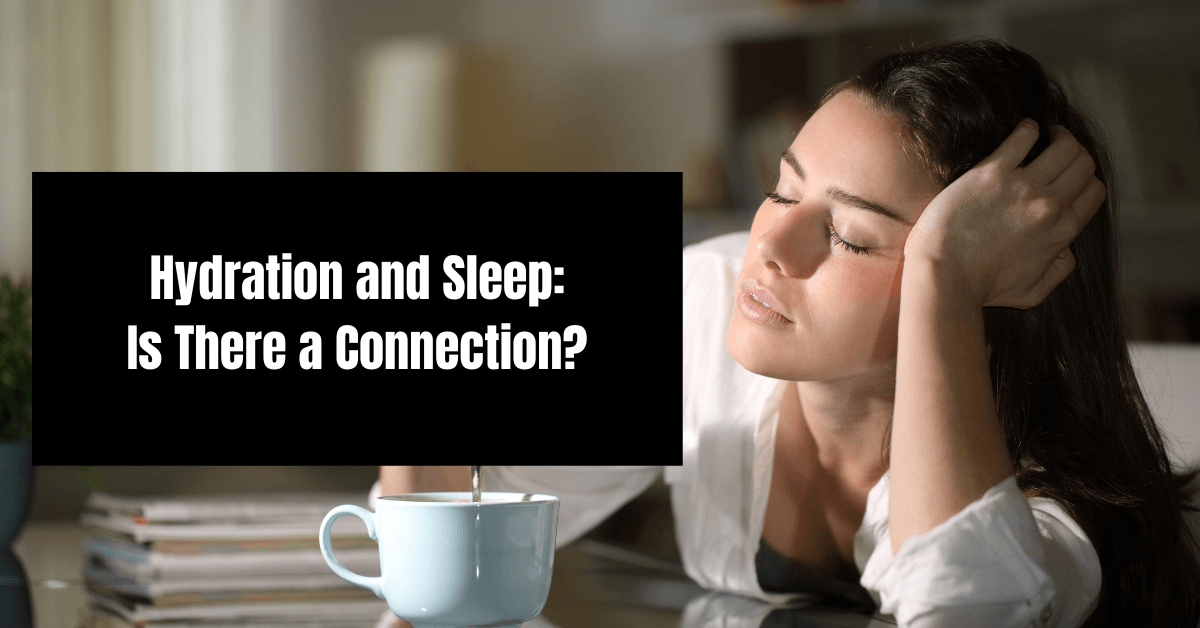
Hydration and Sleep: Is There a Connection?
You must have heard that drinking water is necessary for good health. The US Geological Survey found out that water makes up to 60% of the human body and helps in internal functions, including cell growth, waste elimination, and digestion.
So, is there a connection between hydration and sleep? Yes, hydration impacts rest and sleep also impacts hydration.
Dehydration can make it difficult for you to sleep, and not getting enough sleep might make you more dehydrated. At the same time, too much fluid intake might lead to excessive urination that could disrupt your sleep.
If you find the correct fluid balance, you might feel and sleep better without visiting the toilet frequently or waking up dehydrated.
Effects of Dehydration on Sleep
The common symptoms associated with dehydration might make it challenging to get a good night's sleep.
Very dehydrated people often experience the following:
• Extreme tiredness or fatigue
• Headaches and dizziness
• Dry mouth and nasal passages
• Muscle cramps and spasms
• Early morning thirst
You will most likely struggle to fall asleep or stay asleep with any of these symptoms. Pain from migraine and muscle aches may wake you up in the middle of the night, or you may have to wake up exceptionally early to quench your thirst. Drink plenty of good quality water throughout the day for better sleep at night.
Effects of Insufficient Sleep on Hydration
The body loses most of its water through urination, but it also loses fluid through the skin and respiration. A significant portion of water loss from breathing occurs when sleeping, though the quantity varies depending on whether a person breathes mostly through their mouth or nose.
Because you do not take water during sleep to compensate for insensible water loss, it is thought that the body's internal clock, or circadian rhythm, steps in to maintain a healthy level of hydration. Circadian signals make the body release a hormone called vasopressin, which promotes water retention in the late stages of sleep.
According to research, this natural process may be affected if sleep is shortened, interfering with the hormone signals that cause water retention. As a result, insufficient sleep may directly contribute to dehydration.
Effects of Excess Hydration on Sleep
Drinking excess water in the evening can cause sleep disruption because you may need to use the bathroom several times to urinate in the course of the night. Nocturia refers to the frequent night trips to the bathroom. Nocturia becomes a more significant issue for people who struggle to continue sleeping after the disruption.
While there are several advantages to drinking water before bed, doing so too close to bedtime can disrupt your sleep. To avoid dehydration and excessive water intake at night, drink adequate water throughout the day.
Tips to Stay Hydrated for Better Sleep
Too much hydration disrupts your sleep, and so does dehydration. So, how can you strike a balance to avoid washroom trips in the middle of the night without getting dehydrated? It will help if you try these tips to get a good night's sleep without hydration issues.
1. Give Your Sleep the Attention It Deserves
Getting enough rest is a crucial aspect of avoiding dehydration. During sleep, the body goes through many processes. Allowing these processes and your circadian rhythm to maintain your body's fluid levels better is made possible by sleeping the required dose. It would help to start by recognizing that your sleep is a priority. The most common principle of sleep hygiene has a consistent sleep schedule to help you obtain the sleep you require. Other good sleep hygiene includes:
• Limiting late-night electronic device use
• Having a soothing bedtime routine
• Sleeping on a good mattress
2. Drink Enough Water Throughout the Day
If you're thirsty at night, it's possible that you weren't hydrated adequately during the daytime. You'll have less concern at bedtime if you stay adequately hydrated during the day. Here is how you can stay hydrated during the daytime.
• Drink hydrating fluids regularly.
• Create an alarm if you have trouble remembering to hydrate
• Use a bottle to keep water close at hand
• Drink water as your primary beverage
• Avoid sugary drinks such as soda or juice
• Avoid caffeinated and alcoholic beverage
• Eat a well-balanced diet with lots of good fruits and vegetables.
3. Control Your Room Temperatures
Sweating at night causes water loss. If your room is too hot or you sleep warm, heavy sweating might make you more likely to wake up dehydrated.
You can avoid night dehydration from sweating by maintaining a suitable temperature all night long. Many experts advise you to keep your room thermostat set to a lower temperature. You can also avoid excess heat by wearing light and loose pajamas and using breathable bedding.
4. Avoid Habits That Favor Frequent Night Urination
Finding how to keep hydrated when sleeping without getting up frequently to urinate is a common difficulty. There are things you can do to prevent dehydration and frequent trips to the washroom:
• Reduce your fluid intake a few hours before bedtime.
• Stay away from alcohol and caffeine at night since they have a diuretic effect.
• Raise your legs a few hours before going to bed to allow your system to absorb fluid from your legs, which causes urination
• Drain your bladder as part of your bedtime ritual to reduce the likelihood of a powerful urge to urinate during the night.
In some instances, it may be inevitable for you to get up at least once during the night to pee. It is more common in older people or individuals with medical issues or medications. It's critical in these circumstances to find ways to help you get back to sleep after emptying your bladder.
Water Is Life!
Hydration is essential for our day-to-day activities, including sleep, hence the famous adage that 'water is life.' Getting the right amount of hydration at the right time will improve your quality of life through better sleep.
Need more information? Click here to schedule a meeting!
Recent Posts