
How Does Water Filtration Work?
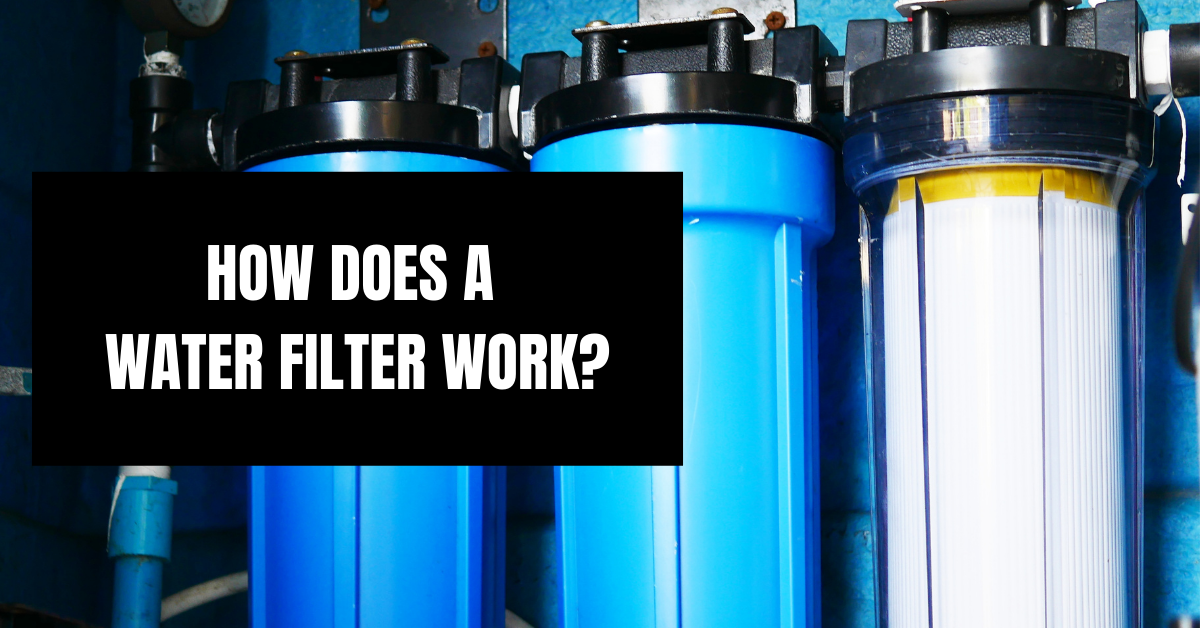
Carbon water filters have been used to purify water for several hundred years, and are the standard for offering drinking and cooking water that is safe, fresh, and better-tasting. Fast forward to present day, and you will find commercial water filtration systems used everywhere; from inside industrial facilities, to office break rooms, restaurant kitchens, and hotels.
While you, your customers, and staff can certainly taste and even see the difference between filtered and unfiltered water, you may be wondering how your water filtration system works. This article will help you better understand the carbon water filtration and disinfection process used in top-of-the-line commercial water filtration systems.
How Does Activated Carbon Work?
Before diving into how water filters work, it’s important for you to understand how activated charcoal (carbon) works to remove contaminants from tap water. Commercial water filtration systems typically use activated carbon as it can produce the cleanest, safest, and best-tasting drinking and cooking water.
Activated carbon is basically oxygen-treated charcoal. The oxygen “activates” the carbon and opens small pores between the carbon atoms which can absorb harmful and odorous substances from gas and liquid. So, when certain chemicals and other contaminants in tap water try to flow past a carbon water filter, the pores between the carbon atoms immediately trap the harmful substances at the carbon’s surface. The result of this process is delicious, clean water.
Water Filtration Process for Commercial Water Filters
1. Water Filtration
The water filtration process used in only the best commercial water purification systems begins with filtering tap water. After installing a commercial water filter, your business’s tap water will move through two, high-grade, carbon water filters which will retain contaminants and other unwanted particles, all while permitting water to pass through. This two-step filtration process eliminates harmful chemicals like chlorine and pesticides, and removes other contaminants like dirt, rust, sediments, and heavy metals.
2. Water Disinfection
While you may think your commercial water filtration system is finished working its magic after the carbon filtering process, it’s not! The next step is to disinfect the water. The tap water sill now flow through a NanoCeram filter. This technology is the only one in the world that provides total irradiation, allowing Natura water filters to reduce the bacteria and virus count to almost zero -- including the elimination of E.Coli, and the coliform bacteria that are so harmful to pregnant women and young children.
Water disinfection can also help ward off digestive and gastrointestinal illnesses caused by drinking plain tap water.
3. Water Refrigeration
The final step of water filtration is the refrigeration process. A great commercial water filtration system will contain a stainless-steel water refrigeration element to help keep your water pure and continuously cool for everyone to enjoy. Stainless steel enables maximum hygiene to ensure that the water you are serving your customers and staff is the freshest, cleanest, best-tasting water they will ever consume.
Whether you are looking to enhance the flavors of your restaurant menu, provide an unlimited supply of clean drinking water for office staff, or create delicious, sparkling craft cocktails at your hotel bar, there are a variety of commercial water filtration systems available to fit your unique needs.
Need more information? Click here
to download our case study or click here
to schedule a meeting!
Recent Posts
Discover how Natura Water's advanced 3-stage filtration system helps reduce lead, PFAS, chlorine, bacteria, and more for cleaner, better-tasting water.
Learn how PFAS, or “forever chemicals,” can end up in sparkling water and how ANSI-53 filtration helps remove them before carbonation.
Should You Be Charging Guests for Water in 2026? In today’s evolving dining landscape, even the smallest details of the guest experience are under scrutiny—and increasingly, that includes water. What was once a simple, complimentary offering has transformed into a strategic decision point for restaurants. From still to sparkling, filtered to mineral-enhanced, water service has become an extension of a restaurant’s brand, values, and profitability. So in 2026, the question isn’t just can you charge for sparkling water—it’s should you? The Rise of Premium Water Service Across the industry, premium water programs have become more common. Guests are more accustomed than ever to curated beverage experiences, and that expectation now extends beyond wine and cocktails. At the same time, restaurants are facing continued pressure from: Rising supply and logistics costs Sustainability demands Tighter margins post-inflation cycles Bottled sparkling water, in particular, has become significantly more expensive due to transportation, packaging regulations, and environmental considerations. As a result, many operators are rethinking how water fits into both their guest experience and their bottom line. The Case for Charging 1. Cost Recovery Is No Longer Optional Margins remain tight in 2026. Charging for sparkling water helps offset real and rising costs—especially when compared to traditional bottled programs. 2. Guests Expect Customization Today’s diners are used to choice. Offering premium water—sparkling, chilled, filtered, or infused—aligns with broader personalization trends in hospitality. 3. Brand Positioning For upscale or experience-driven restaurants, premium water reinforces a commitment to quality. Just as guests pay more for craft cocktails or locally sourced ingredients, many see upgraded water as part of the experience. The Case Against Charging 1. Water Is Still Seen as a Basic Right Despite evolving expectations, many guests still believe water should be free—especially in the U.S. Charging can feel excessive if not handled carefully. 2. Perception of “Nickel-and-Diming” In an era where transparency matters more than ever, unexpected charges—even small ones—can negatively impact guest satisfaction and reviews. 3. Hospitality Matters Restaurants aren’t just selling food—they’re selling experience. If guests feel pressured or upsold on something fundamental, it can erode trust. The 2026 Approach: Balance and Transparency The most successful restaurants today are not choosing one side—they’re blending both. A modern best practice includes: Complimentary still or filtered tap water (clearly offered) Optional premium sparkling water as an upgrade Transparent pricing or inclusive service models Some operators are even adopting a flat per-table water fee (typically $1–$3 per guest), which includes unlimited still and sparkling water. This model simplifies service while remaining cost-effective compared to bottled alternatives. The key is clarity—guests are far more accepting of charges when they understand the value. How Natura Helps Restaurants Stay Competitive In 2026, operational efficiency and sustainability are just as important as guest experience—and this is where Natura systems stand out. By producing triple-filtered still and sparkling water on-site , restaurants can: Eliminate the cost and logistics of bottled water Reduce storage needs and waste Maintain consistent quality with every pour Improve sustainability metrics (a growing factor in guest decision-making) Instead of relying on expensive pre-packaged options, Natura allows restaurants to transform tap water into premium sparkling water instantly—reducing overhead while enhancing service. For operators who choose to charge, this creates a major advantage: lower costs = more competitive pricing = better guest acceptance. Final Thoughts Charging for sparkling water in 2026 isn’t about right or wrong—it’s about execution. When done thoughtfully, it can: Enhance the dining experience Support profitability Align with sustainability goals But when handled poorly, it risks damaging guest trust. The future of water service isn’t just premium—it’s intentional, transparent, and experience-driven . To learn more about our water systems and how we can help improve revenue for your business, please schedule a meeting today!
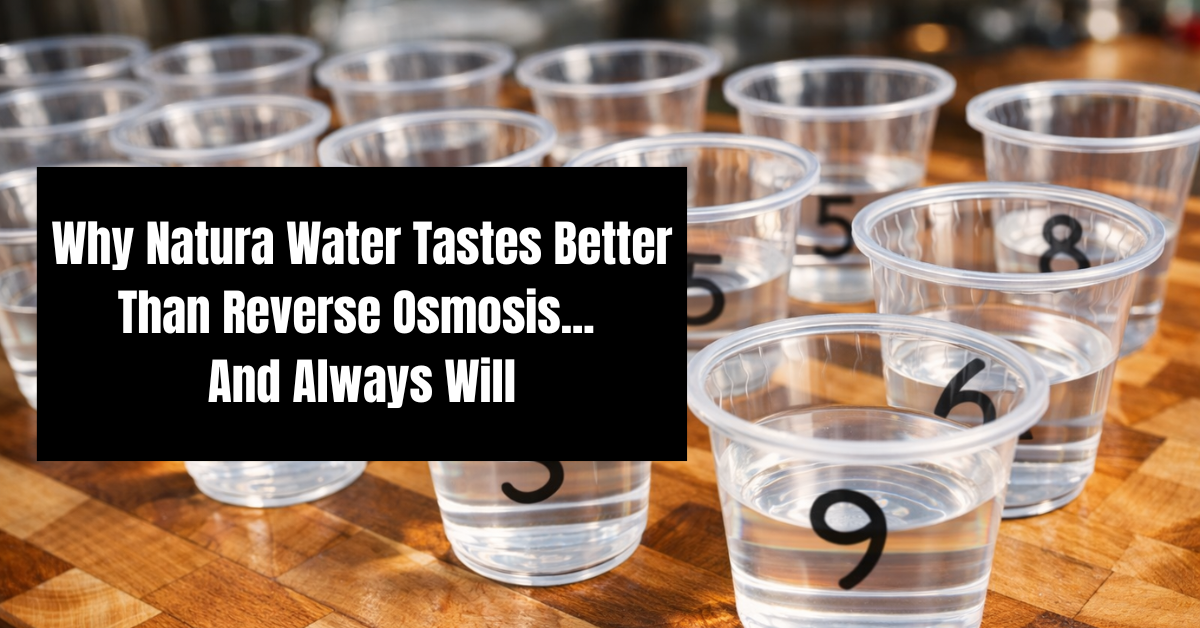
Learn why Natura Water’s triple-filtered water tastes better than reverse osmosis. Our ANSI 42, 53, and 61 certified filtration removes contaminants while preserving clean, refreshing taste.

Discover how Natura Water helps organizations achieve 2026 sustainability goals by replacing bottled water with cost-effective, on-site water systems.