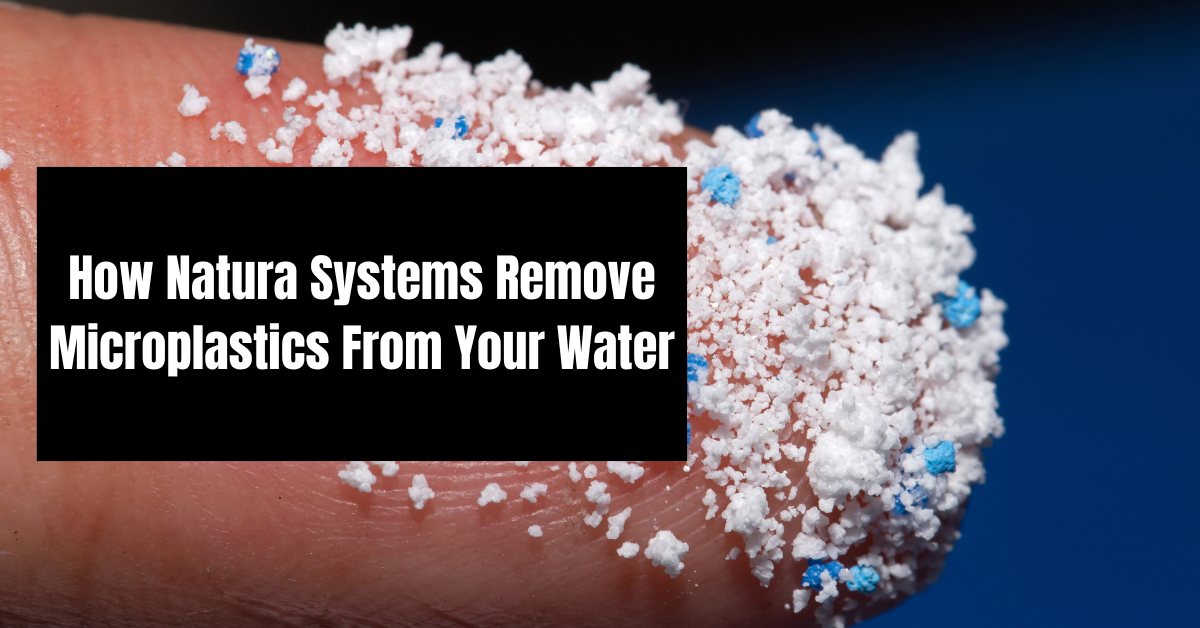
How Natura Water Systems Effectively Remove Microplastics from Water
At Natura Water, we understand that access to clean and safe drinking water is essential to maintaining a healthy lifestyle. With the growing concerns about environmental contamination, one of the most significant issues today is the presence of microplastics in water. These tiny particles, often measuring less than 5 millimeters, are pervasive in both oceans and freshwater sources. They also show up in tap water, presenting a potential health risk to individuals who consume them regularly. At Natura Water, we’ve developed advanced filtration systems specifically designed to tackle this issue. Here’s how our systems work to remove microplastics from your water, ensuring that every drop you drink is as pure as it can be.
What Are Microplastics and Why Are They a Concern?
Microplastics are small fragments of plastic that have broken down from larger plastic items—like packaging, synthetic fibers, and plastic waste. These particles are incredibly small, often measuring just a few microns in size, making them difficult to remove with conventional water filtration methods. Due to their tiny size, microplastics can evade traditional water treatment systems and end up in drinking water. While research on the long-term health effects is still evolving, early studies suggest that microplastics could pose risks to human health, including potential toxicity from chemicals associated with plastics.
Given the growing concern about microplastics in drinking water, it’s crucial to have an effective filtration system that can remove these particles. That’s where Natura Water’s advanced filtration technology comes into play.
The Science Behind Our Filtration Technology
At Natura Water, we use an ANSI-53 spec'd 3-stage filtration process designed to provide superior protection against microplastics. Our systems integrate several cutting-edge filtration technologies that specifically target and remove contaminants, including microplastics, ensuring that your water is as clean and safe as possible.
Stage I: NSF-Certified Sediment Filter
The first step in our filtration process begins with an NSF-certified sediment filter, which removes debris and organisms 5 microns and larger. This initial stage is crucial in eliminating larger particles, such as sand, silt, and other visible sediment, ensuring that your water is free from larger impurities before moving onto more advanced filtration stages. While microplastics are much smaller than the particles removed at this stage, this sediment filter sets the foundation for the rest of the filtration process.
Stage II: NSF Standard 53-Certified Carbon Filter
Next, our system employs an NSF Standard 53-certified carbon filter, designed to remove particles and organisms as small as 0.5 microns. This filter not only tackles microplastics but also helps remove chlorine taste and odor that may be present in tap water. By targeting smaller particles, this filter significantly reduces the presence of microplastics, along with a wide range of other contaminants, ensuring that your drinking water is not only free from harmful plastics but also tastes better.
Stage III: Electropositive Nanoceram Filter
The final step in Natura Water’s filtration process uses cutting-edge electropositive nanoceram technology, derived from NASA research, to eliminate up to 99.95% of endotoxins via its 0.2-micron filtration. This nanoceram filter works by attracting and trapping contaminants on an electropositive surface, ensuring that even the smallest microplastic particles are captured. This final layer of filtration offers a high level of purification, ensuring that water is free from microscopic particles, including microplastics, bacteria, viruses, and other harmful substances.
Tested for Effectiveness
At Natura Water, we believe in transparency and reliability, which is why we put our filtration systems to the test. Our products undergo rigorous testing to ensure that they consistently perform at the highest standards. Independent laboratories verify that our systems can remove up to 99% of microplastics, giving you the peace of mind that your water is thoroughly purified.
We also comply with international water safety standards, so you can trust that the filtration systems we offer meet or exceed industry benchmarks for microplastic removal.
Why Choose Natura Water?
When you choose Natura Water, you're choosing more than just a filtration system—you're choosing peace of mind. Our systems are designed to effectively remove microplastics and other harmful contaminants, ensuring that you and your family enjoy the cleanest, safest drinking water possible. Whether you're installing a system for your home or need a solution for a commercial space, Natura Water offers cutting-edge technology backed by expertise and support you can rely on.
As microplastic pollution continues to impact our environment and water supplies, it’s more important than ever to invest in a filtration system that can address these concerns head-on. Natura Water’s advanced filtration technology provides a reliable solution to ensure your water is free from microplastics and other contaminants, keeping you and your loved ones safe.
Experience the difference in water quality with Natura Water—because your health and safety are our top priority.
Want to learn how a Natura system can help in your at home hydration? Click here here to schedule a meeting!
What are microplastics?
Microplastics are small fragments of plastic that break down from larger plastic items, such as packaging, synthetic fibers, and plastic waste. These particles typically measure less than 5 millimeters and are often small enough to evade conventional water treatment systems, finding their way into our drinking water.
Why are microplastics a concern?
Microplastics can pose health risks due to the potential toxicity of the chemicals associated with plastics. Although research on the long-term effects is still ongoing, early studies suggest that microplastics could affect the immune system and introduce harmful substances into the body. As these particles are often microscopic, they can be difficult to remove with traditional filtration methods.
How does Natura Water’s filtration system remove microplastics?
At Natura Water, we use an advanced three-stage filtration process that effectively removes microplastics and other harmful contaminants. Our system is specifically designed to target particles of various sizes, ensuring your water is free from microplastics and other pollutants.
What is the first stage of Natura Water’s filtration process?
The first stage features an NSF-certified sediment filter, which removes debris and organisms 5 microns and larger. While this filter doesn’t directly remove microplastics (which are smaller), it eliminates larger particles like sand and silt, setting the stage for the finer filtration processes that follow.
How does Natura Water’s system remove microplastics in the second stage?
In the second stage, we use an NSF Standard 53-certified carbon filter. This filter targets particles and organisms as small as 0.5 microns. In addition to helping remove microplastics, it also improves the taste of your water by eliminating chlorine odor and other contaminants.
What is the third stage of filtration?
The third and final stage utilizes electropositive nanoceram technology, a cutting-edge method derived from NASA research. This filter, with its 0.2-micron filtration, captures up to 99.95% of endotoxins and other microscopic particles, including microplastics. This stage ensures that even the smallest microplastic particles are effectively trapped, delivering the cleanest water possible.
Are Natura Water’s filtration systems certified?
Yes! Natura Water’s filtration systems comply with international water safety standards and have earned certifications like NSF Standard 53. This means they meet or exceed the industry benchmarks for contaminant removal, including microplastics.
Recent Posts